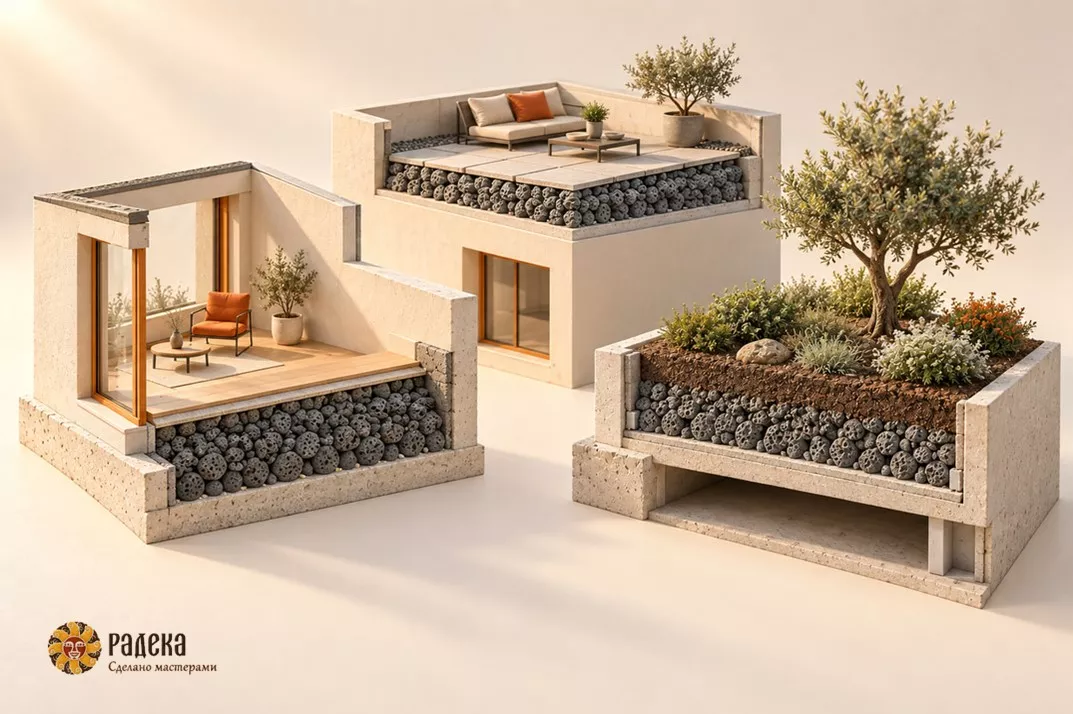
Blog

A gabled roof, wood and a large table by the window: a familiar picture of modern farmhouse style. We look at what makes the home behind that picture comfortable, which materials suit it and what to consider before buying furniture.
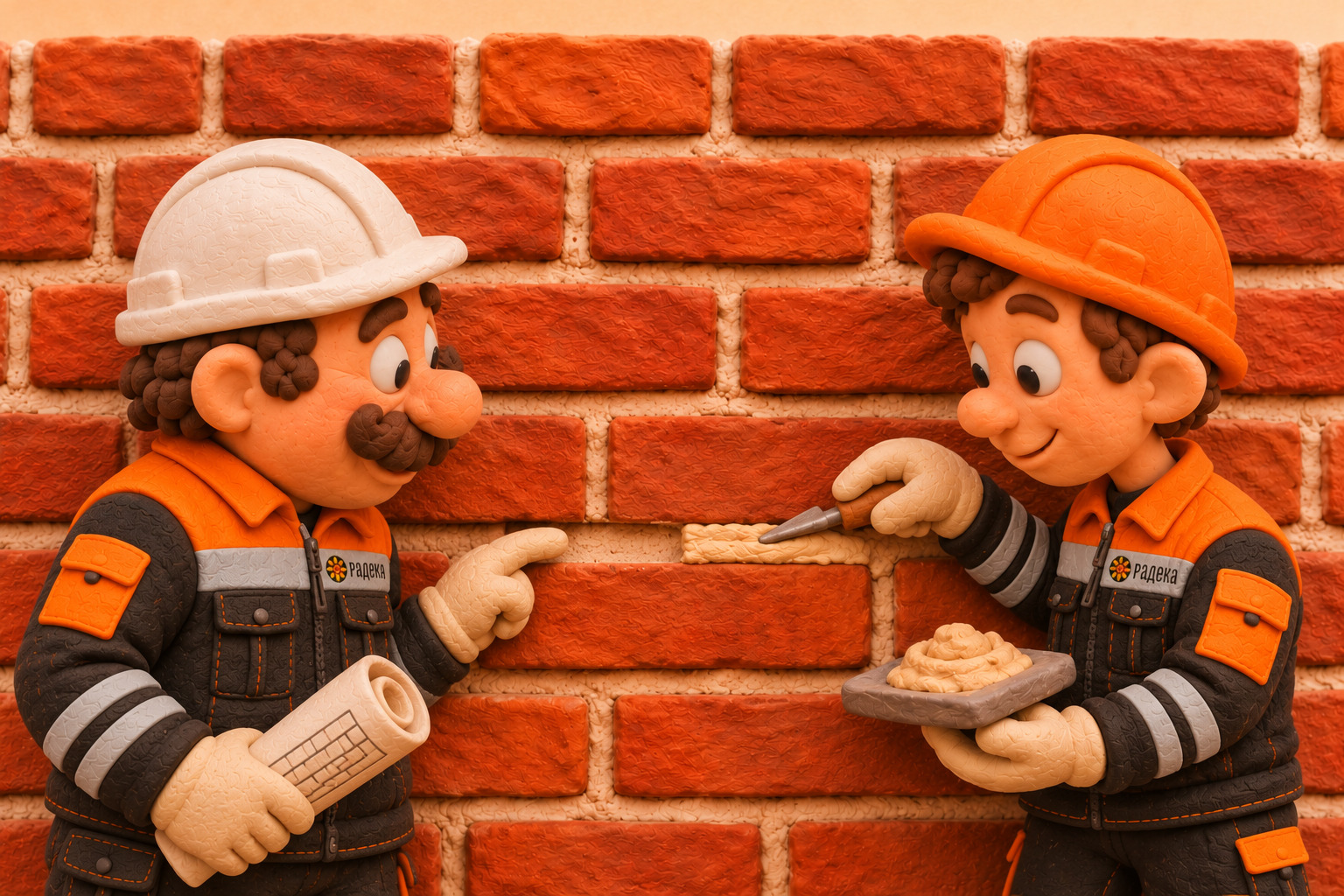
The repaired joints still look new, but the old bricks are crumbling. Why does this happen, how do you choose a compatible mortar, and what should you check before work begins?
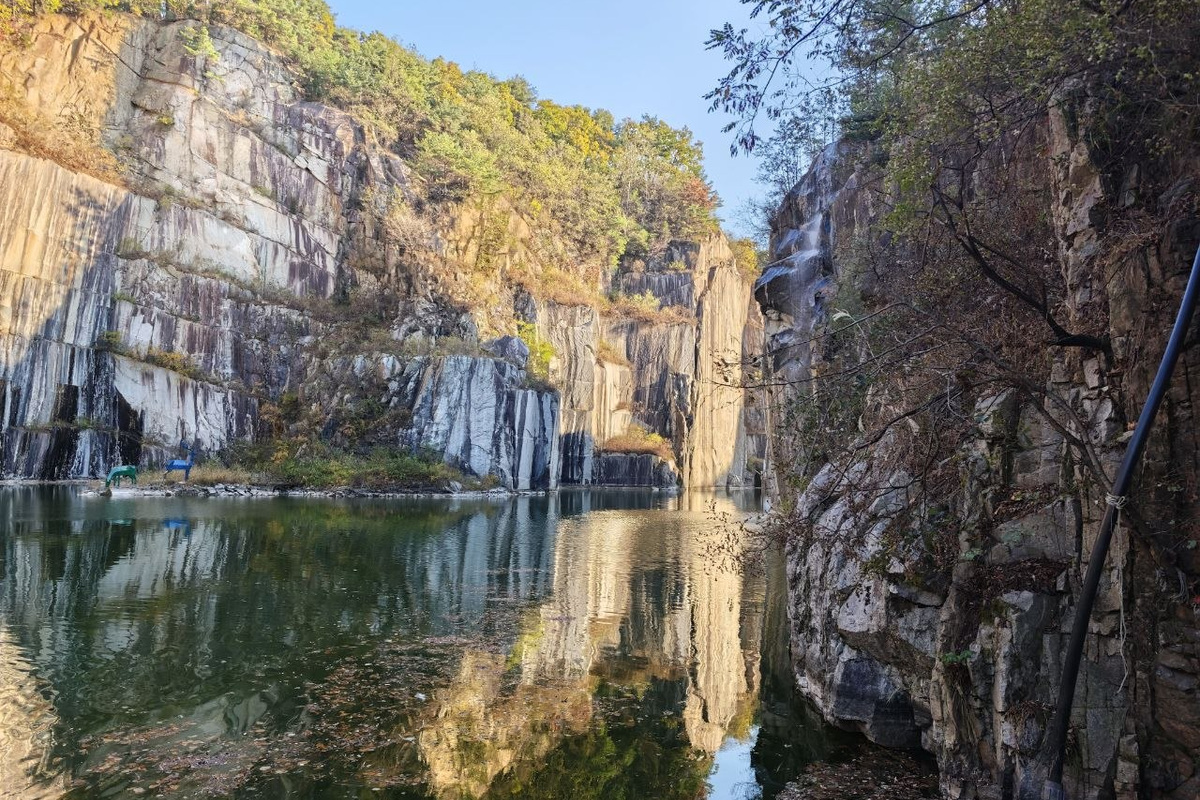
Bright cliffs, a lake, and autumn trees — this is what the former granite quarry in Pocheon has become. We explore how stone is extracted for construction, examine the traces of work on the rocks, and recall the drama “Hwayugi.”
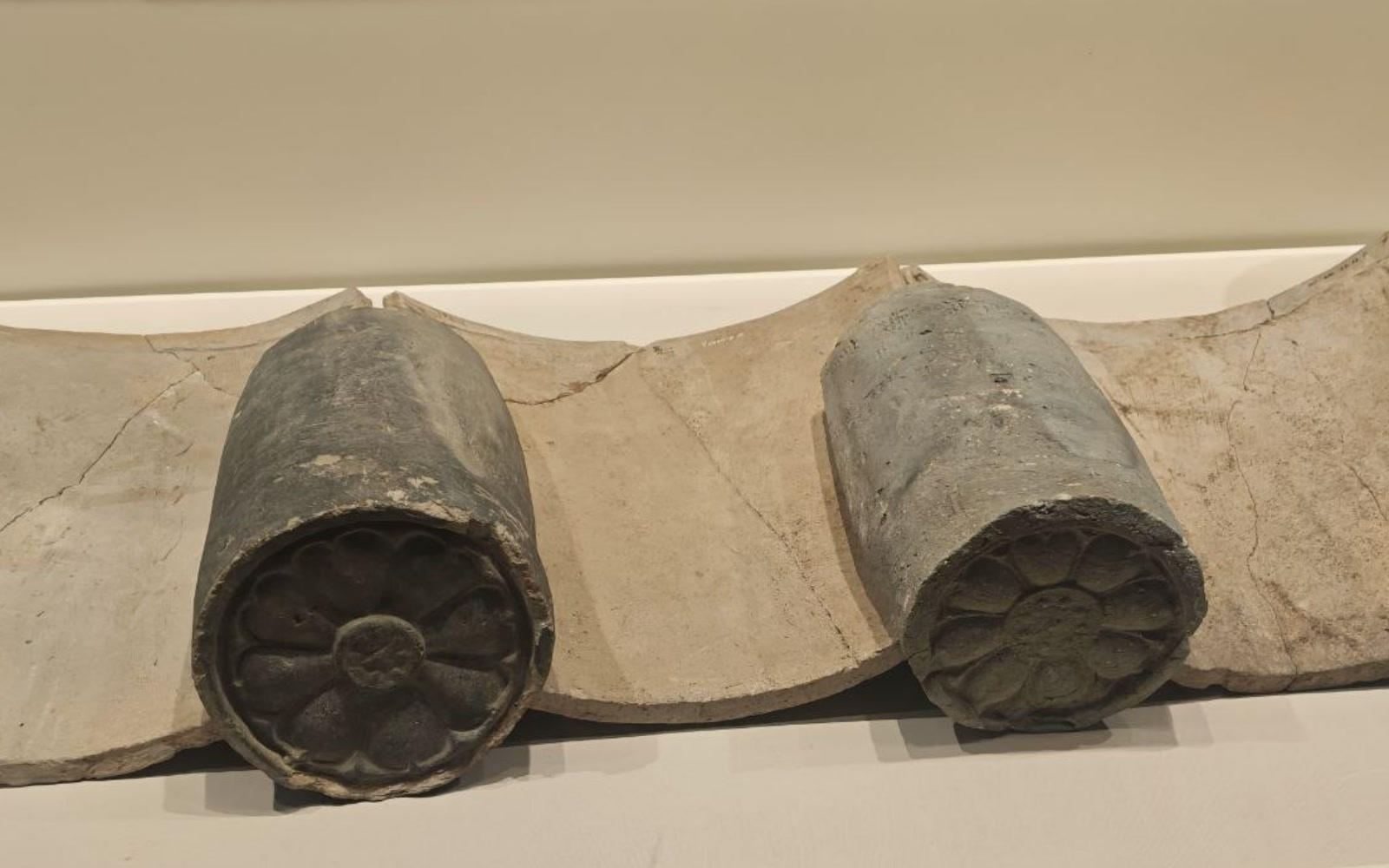
On ancient Korean roofs, wide tiles diverted water, round ends decorated the eaves, and large finials completed the ridge. Let’s examine these details through photographs from the National Museum of Korea in Seoul—from floral patterns to inscriptions with the names of masters and donors.
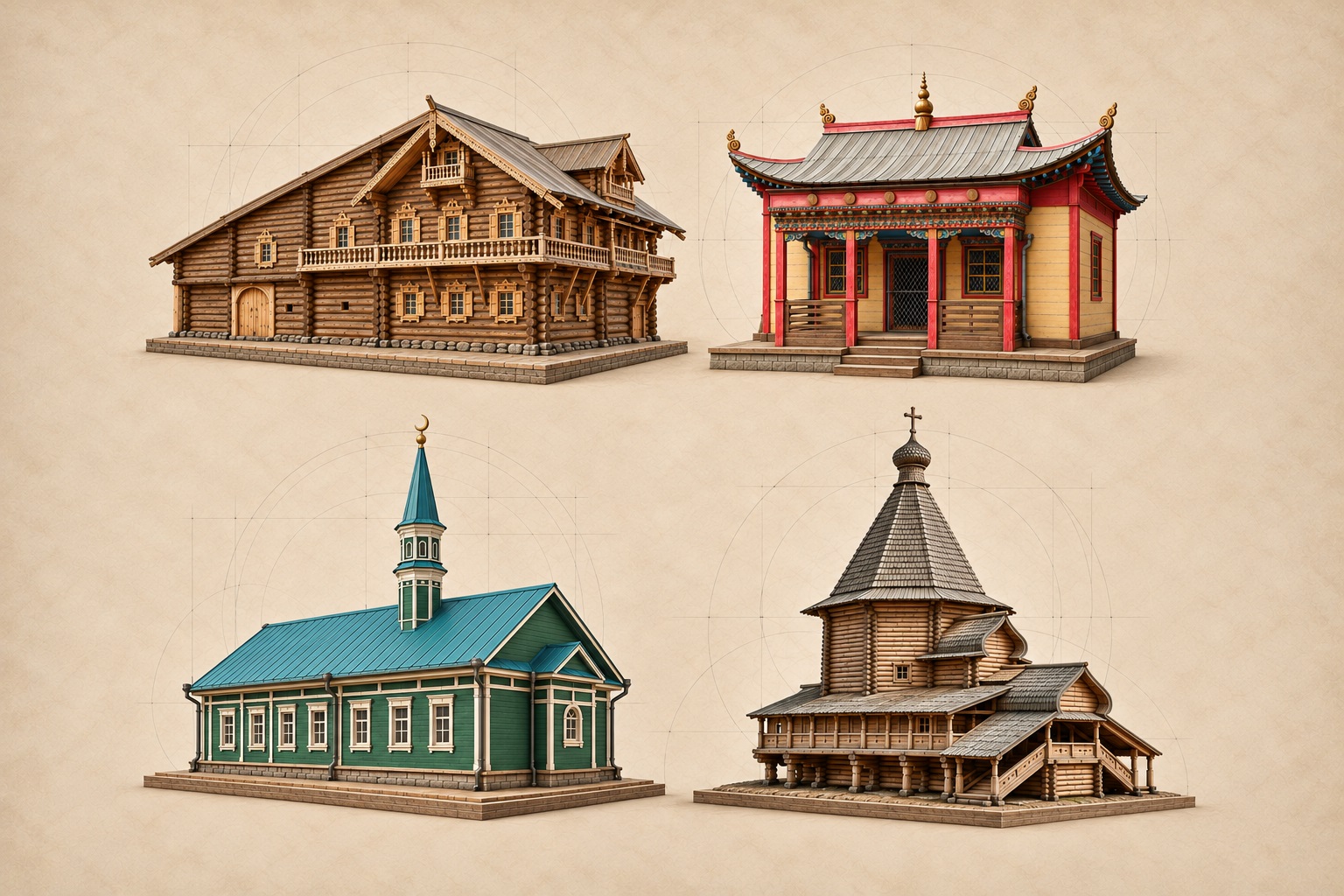
The wooden church of the Russian North, Buryat dugan, Tatar mosque, and Zaonezh house have different silhouettes. One reaches up to the Sun, another widely spreads the edges of the roof like arms for an embrace, the third raises the minaret above the long hall like a hat when meeting a good friend. And the fourth gathers an entire farmstead under one space. If you place these buildings side by side — behind the familiar word “roof” opens a variety of forms and structures.

Granite has acquired two opposite reputations. Some see it as too radioactive to bring into a home. Others treat it as virtually indestructible, able to withstand water, heat and any load. Both views are convenient — until you have to choose a particular slab for a particular application.
Granite does not need either horror stories or promises of invulnerability. We analyze eight myths and explain what to check before ordering the stone.
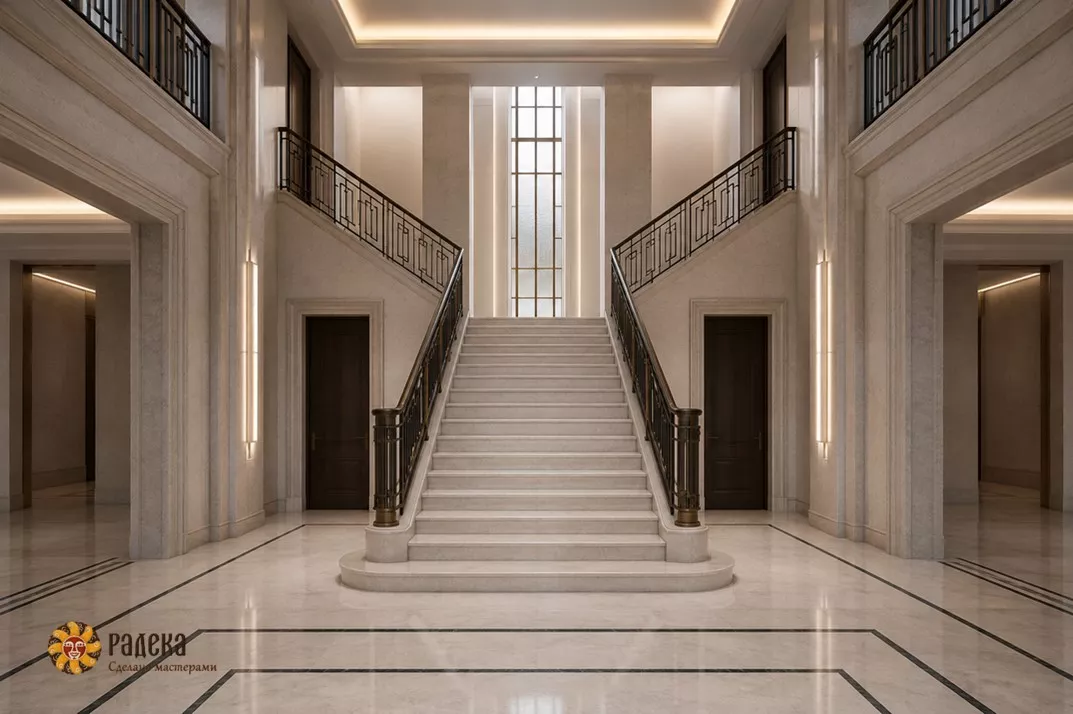
Expressive stone, refined metalwork, and precise geometry define the language of Art Deco. Explore its history, materials, contemporary interpretations, and common design mistakes. A seven-meter-tall fireplace crafted by RADEKA shows how these principles come together in a completed project.

Warm stone, soft light, steam. But what happens behind the mosaic and where does the moisture go after the session? We analyze the structure of the hammam and solutions that help avoid rework.