
Blog
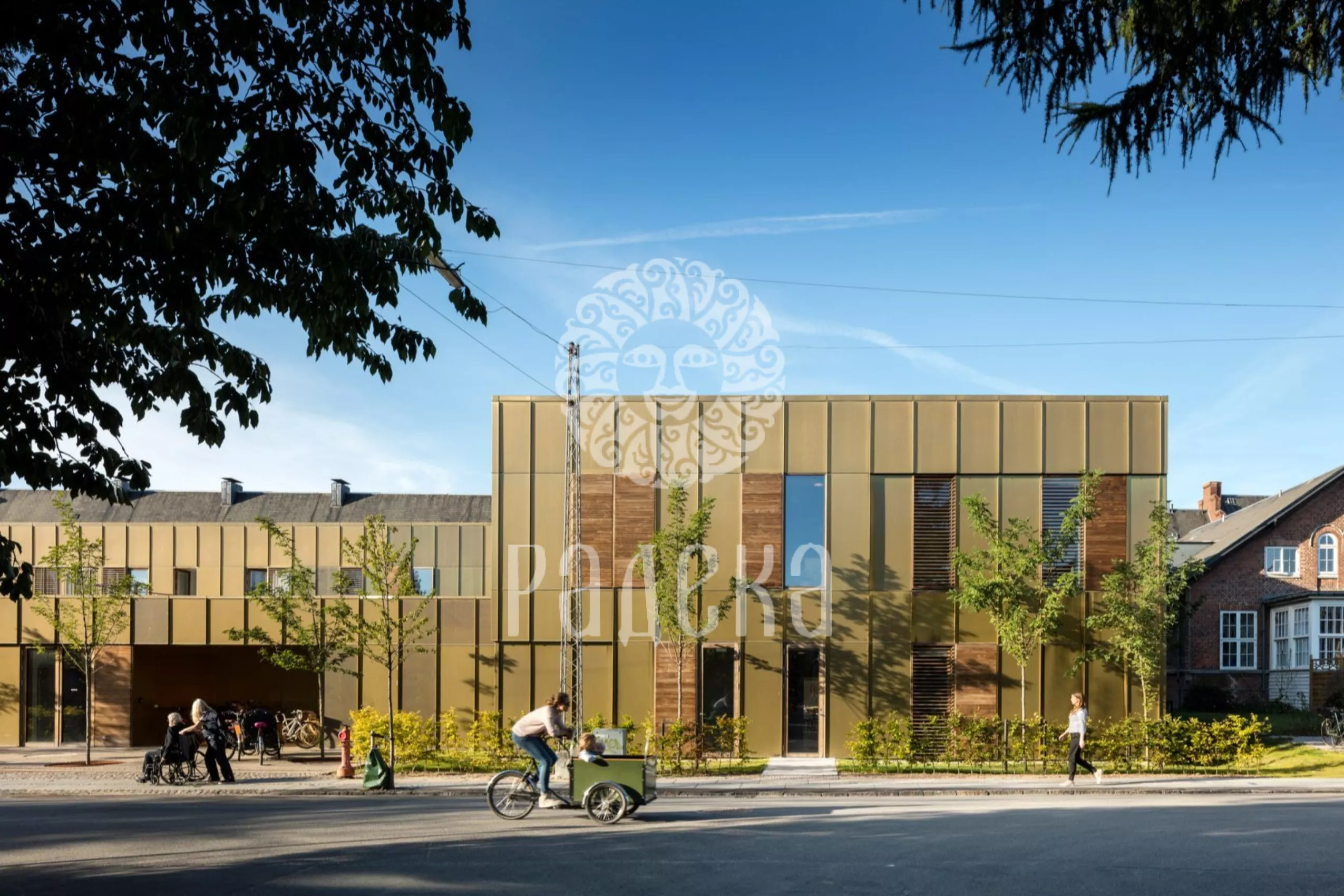
Nowadays copper facades are very popular in private housing construction and civil architecture. If you can’t usually see a copper roof from the ground then the facade is a face of the house; it’s impossible to miss it. Facade cladding with copper is always interesting and up-to-date design solution. Advantages of copper facades • Resistance to corrosion. The thicker patina layer covering copper is the more resistant to the atmospheric phenomena it becomes. • Longevity.
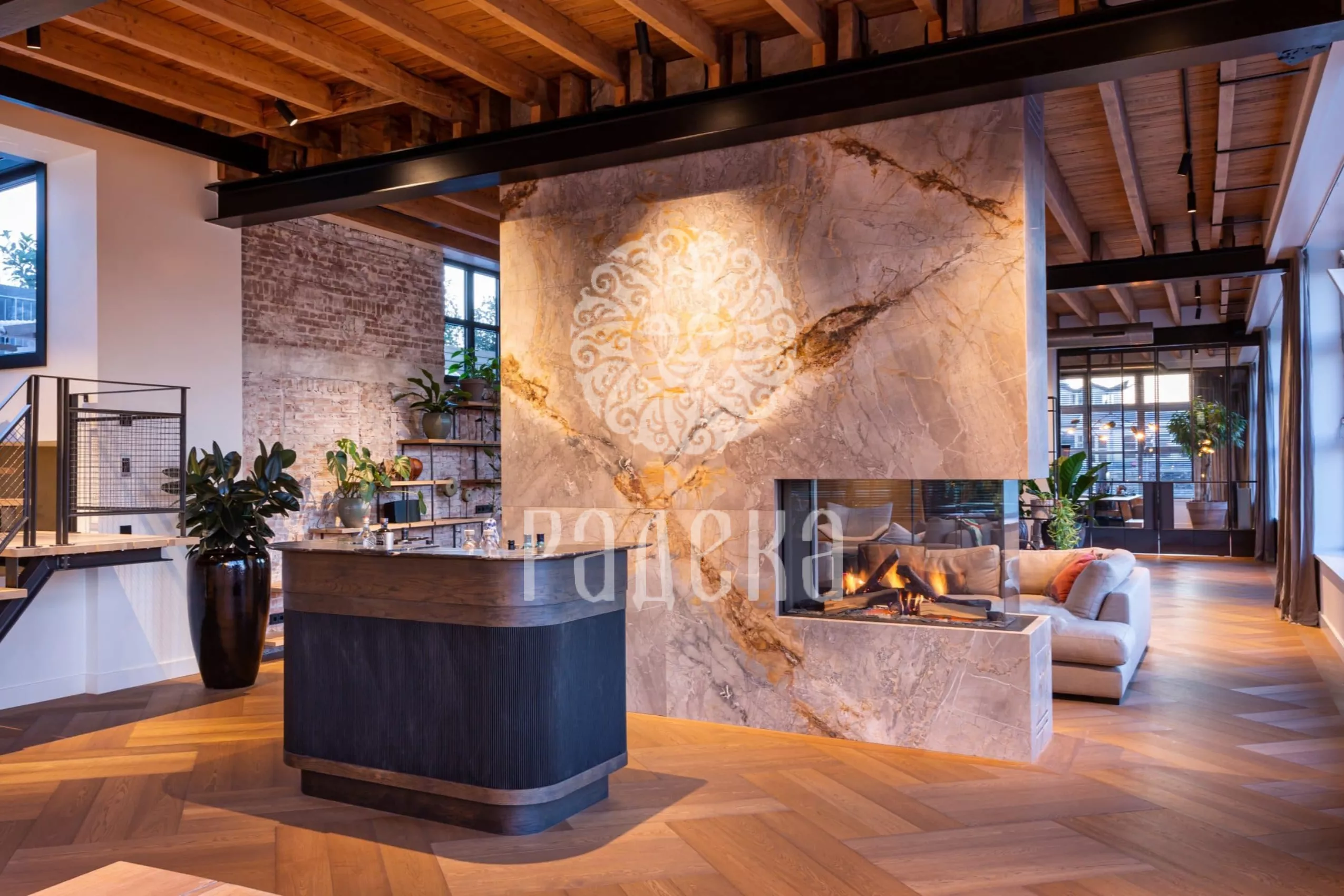
Marble is a widespread rock. It’s typical of marble to have grainy structure, content of calcite, slight hardness, smooth grains’ surfaces and a reaction to diluted hydrochloric acid. Marble doesn’t leave scratches on glass. It can be confused with harder rocks such as quartzite and jasper. The difference is that quartzite and jasper don’t react to diluted hydrochloric acid. Marble which origin is connected mainly to the formation of calcite in its structure was named for calcite marble; but if there’s mostly dolomite it’s common to speak of a dolomitic kind of stone.
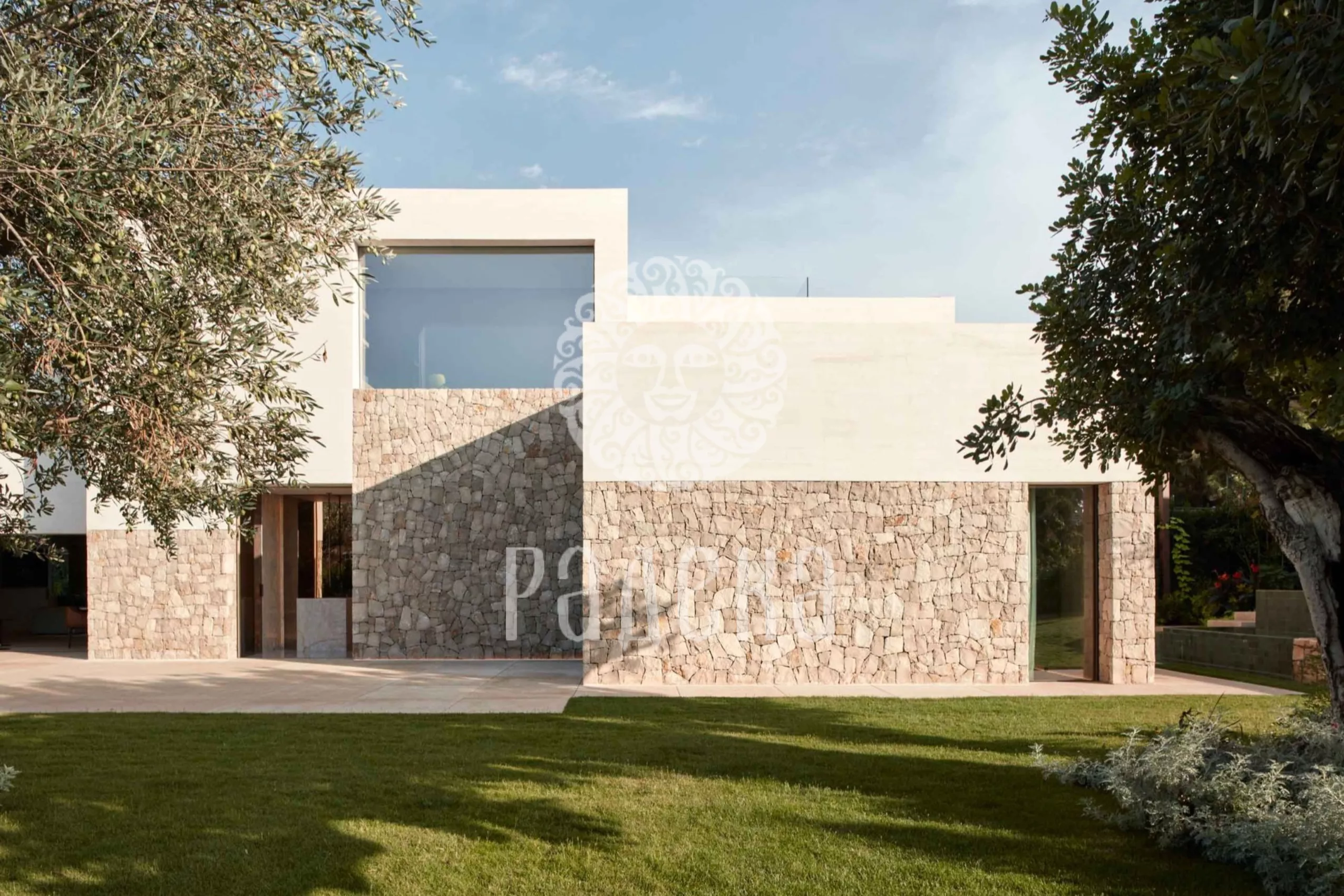
Tumbling of natural stone is a technological process of working stone in order to get polished surface and rounded edges. One understands the tumbled stone as plates of all possible dimensions, irregular shape with smooth streamlined faces. The essence of tumbling process is that metal balls and products to be cleaned and polished are constantly moving in a rotating cylinder causing friction through which all the roughness is smoothed and the product is cleaned from dirt and dust.
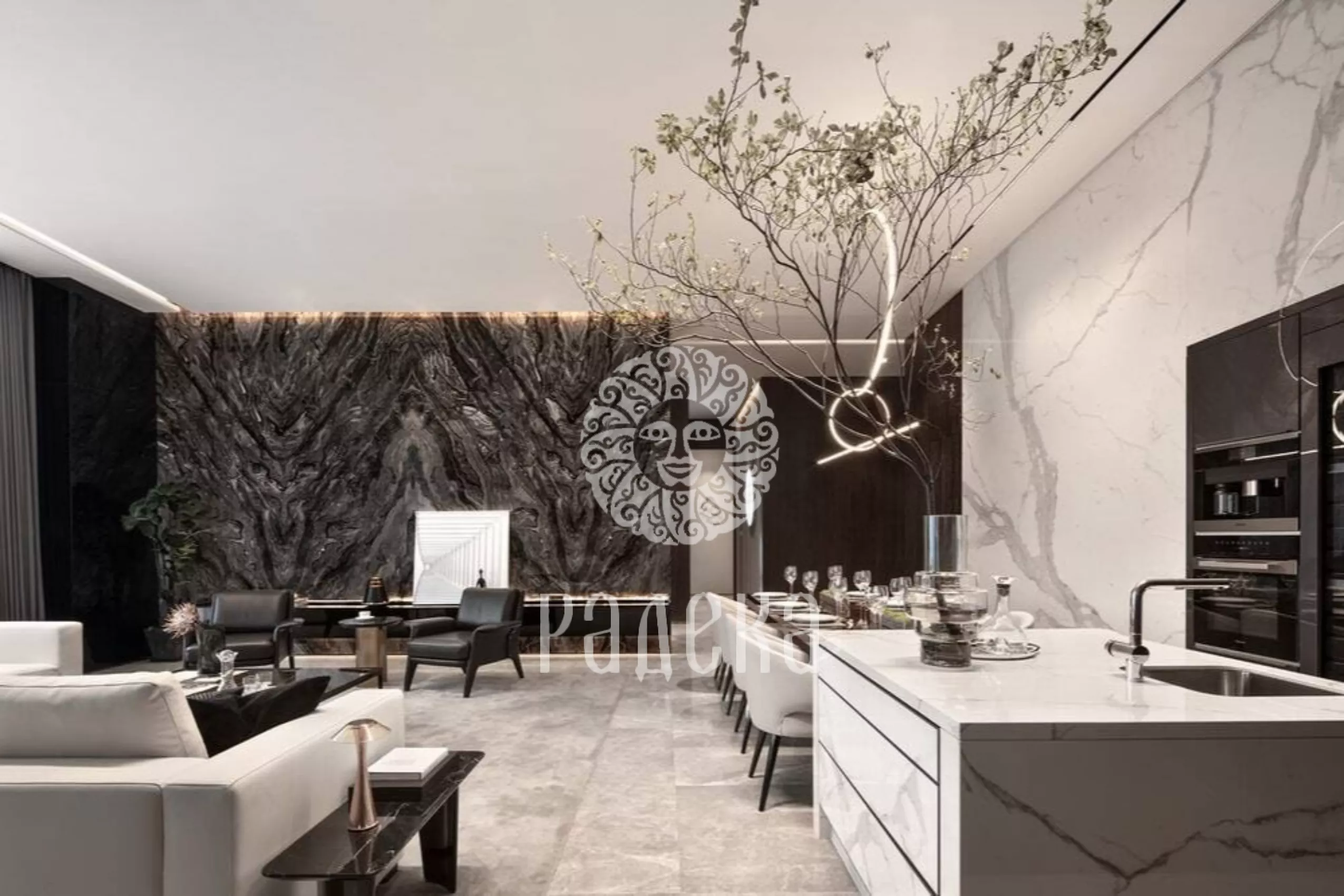
Marble tiles, large panels, and mosaics change the interior in different ways. We explore how to choose the format and treatment, coordinate the pattern, and consider room conditions before producing the pieces.
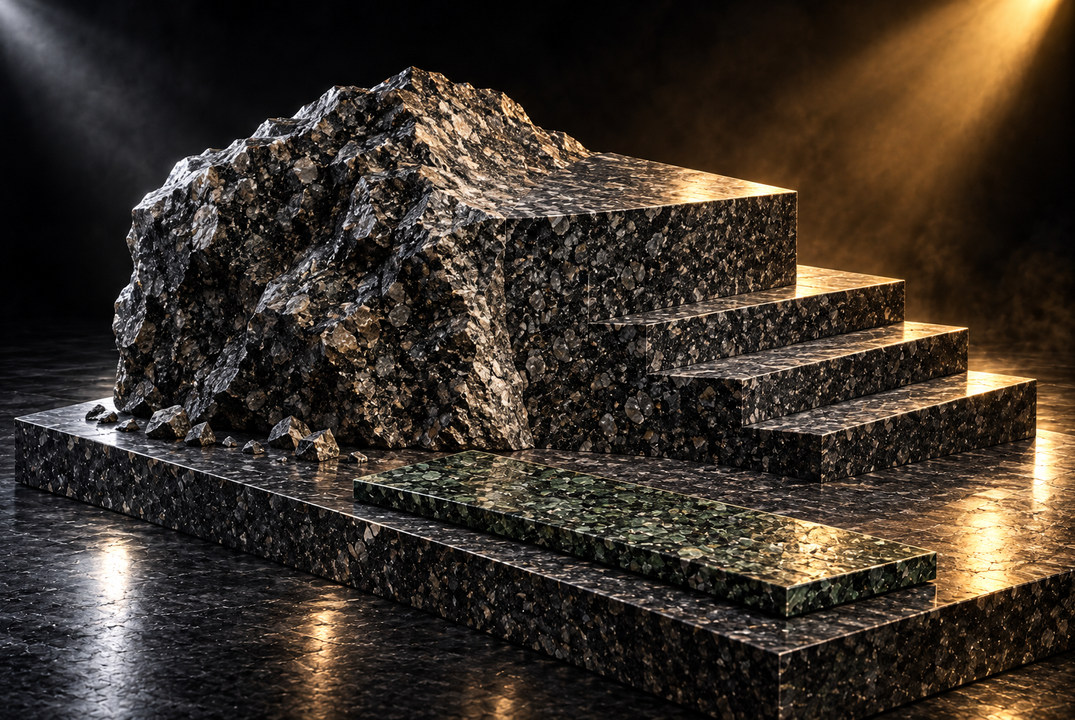
Granite is an igneous rock with a granular texture, primarily composed of feldspars and quartz, with inclusions of micas and other minerals. The mineral composition and structure of the stone determine its color, pattern, and physical characteristics.