Modern Farmhouse Style in Interiors and Architecture
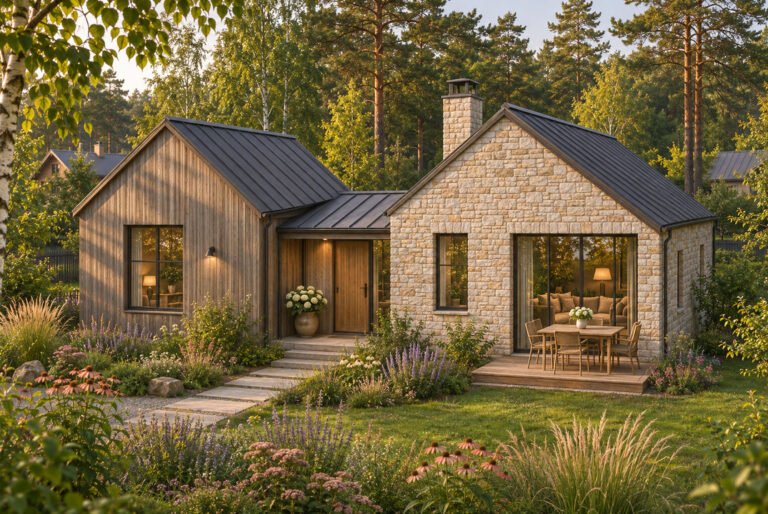
A gabled roof, wood and a large table by the window: a familiar picture of modern farmhouse style. We look at what makes the home behind…
Read MoreGranite is an igneous rock with a granular texture, primarily composed of feldspars and quartz, with inclusions of micas and other minerals. The mineral composition and structure of the stone determine its color, pattern, and physical characteristics.
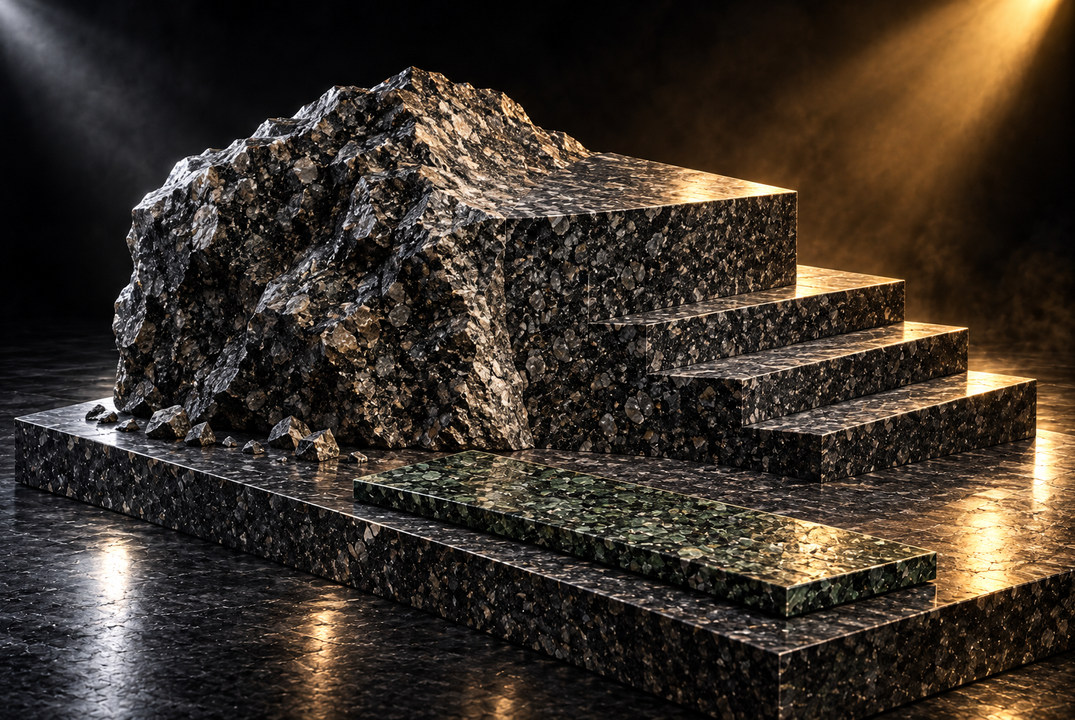
The properties of granite have long been studied by humans, and it has been widely used and continues to be used today in construction. A vast number of granite structures and monuments from ancient times have survived to this day. The unique composition of this magnificent stone, its beautiful grain structure, and useful properties make granite an indispensable building material.
The advantages of granite allow us to still admire the architectural structures made from it in ancient times.
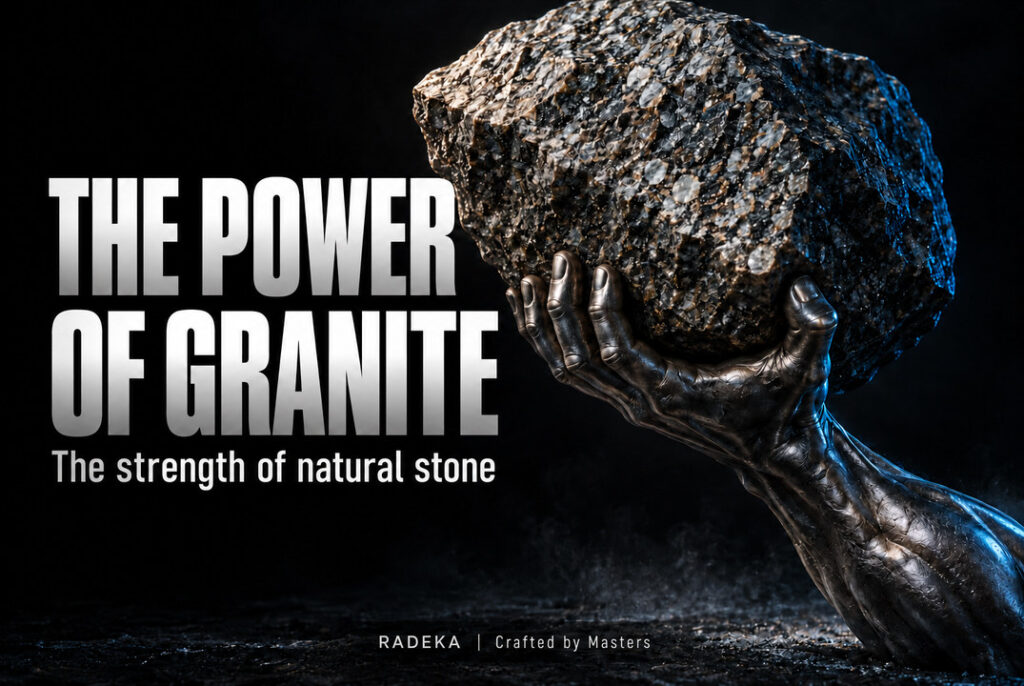
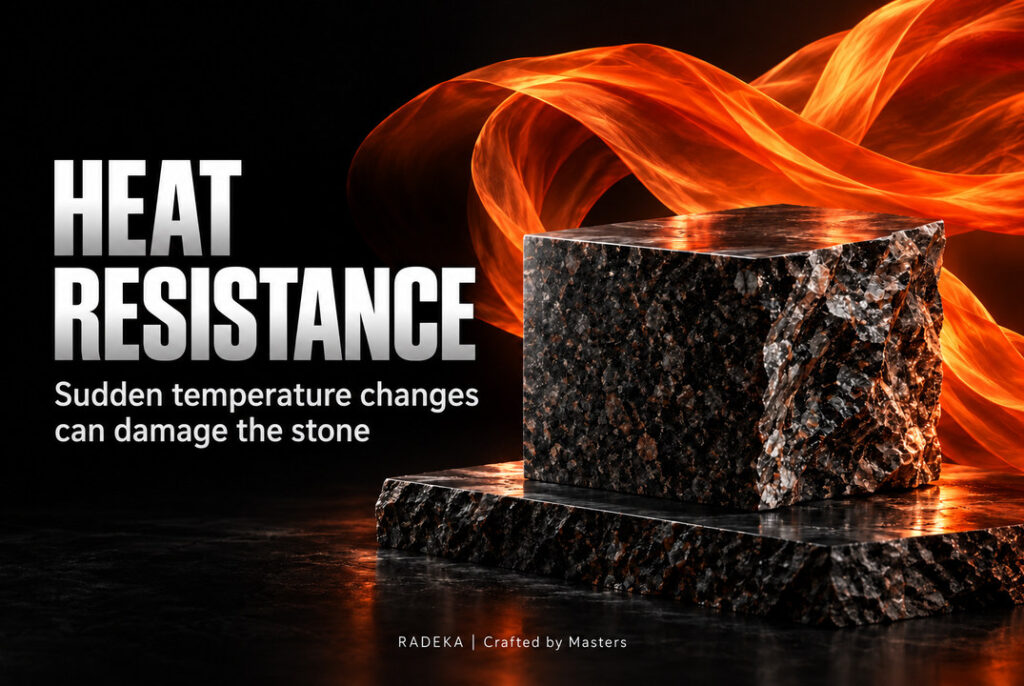
Granite is actively used as a building and facing material. For exterior finishing and humid environments, granite with suitable water absorption and resistance characteristics is selected. The lifespan of stone finishing depends on the selection of material, quality of natural stone installation, and subsequent maintenance. It is used to manufacture blocks, slabs, cornices, curbs, millstones, and rollers for mills, as well as parts for various machines and units for the pulp and paper, food, machine engineering, metallurgy, and porcelain industries.
Granite is also used to manufacture bases for precision instruments. Crushed granite is an important material for producing reinforced concrete products and structures, while granite blocks are used for decorative finishing of buildings. Granite is used to make monuments, countertops, stairs, floors, and paving stones. For each product, granite with suitable characteristics is selected, considering the expected loads, operating conditions, and surface treatment methods.
The properties of granite allow for its wide use in construction.
Most monuments and memorials are made from it.
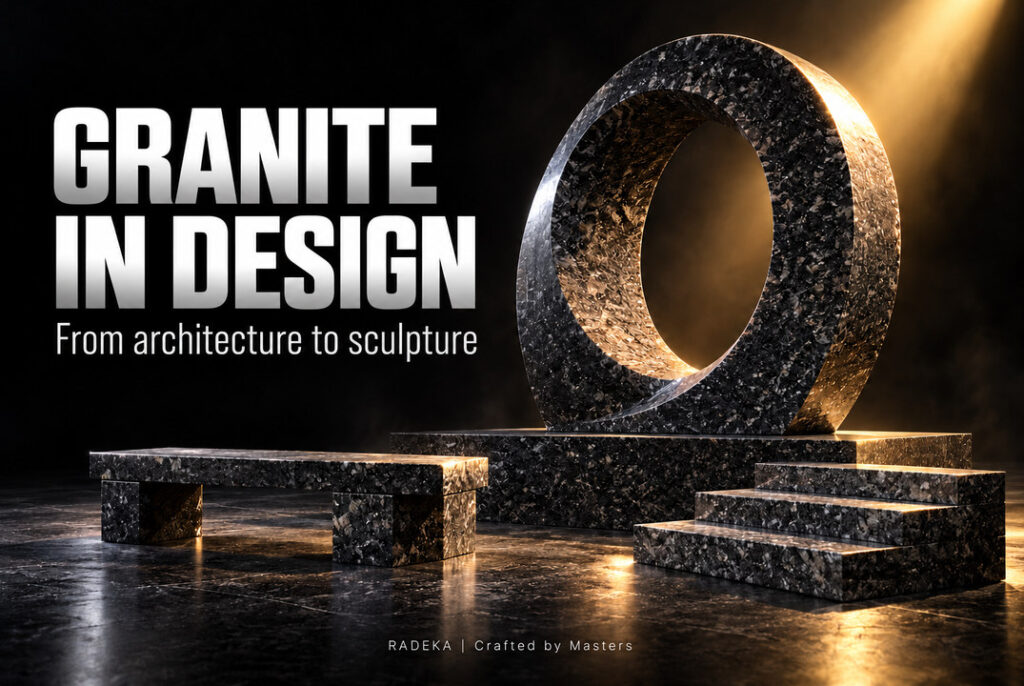
Its strength and wear resistance allow the stone to be used for making steps, finishing floors, driveways, and even pavements.
Granite with confirmed frost resistance is used for cladding buildings and embankments in regions with harsh winters. When selecting material, climatic conditions and expected contact with water are taken into account.
This stone can transform your home both inside and out. Designers successfully use it to make columns, stairs, baseboards, countertops, and railings. It is also used to clad the facades of houses.

Granite is used in the finishing of pools, bathrooms, and fountains, selecting stone with suitable characteristics for constant or periodic contact with water. Stone cladding does not replace the waterproofing of the structure.
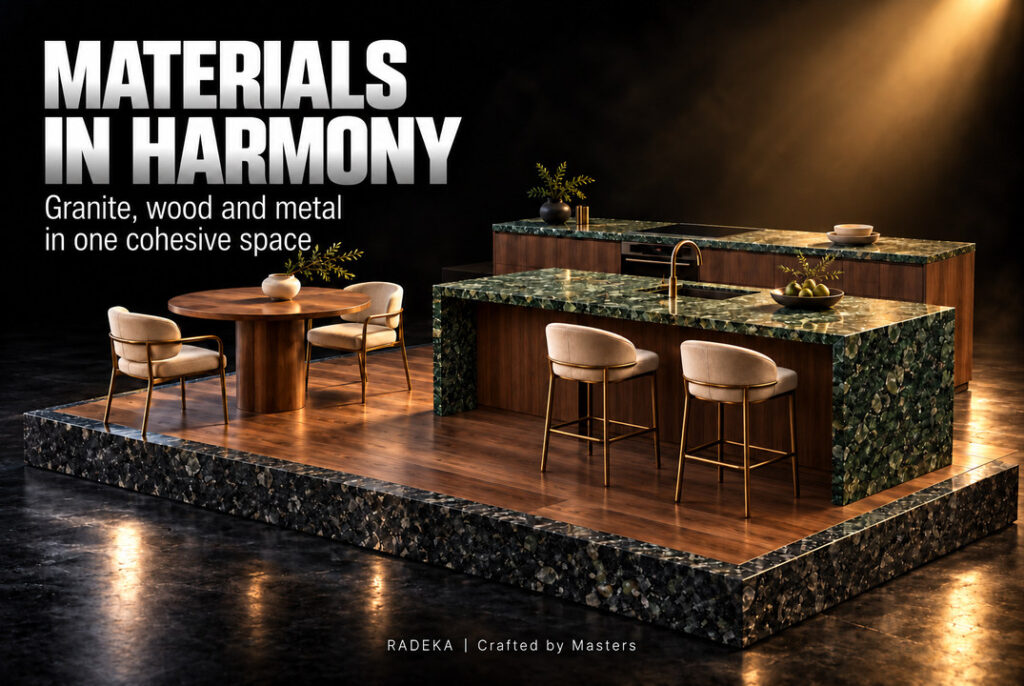
When renovating and finishing interiors, granite solutions are planned in advance: the placement of stone surfaces is determined, treatment is selected, and combinations with wood, metal, and other materials are coordinated. This allows for the integration of individual products into a cohesive design of the space.
RADEKA | Crafted by Masters