
Blog
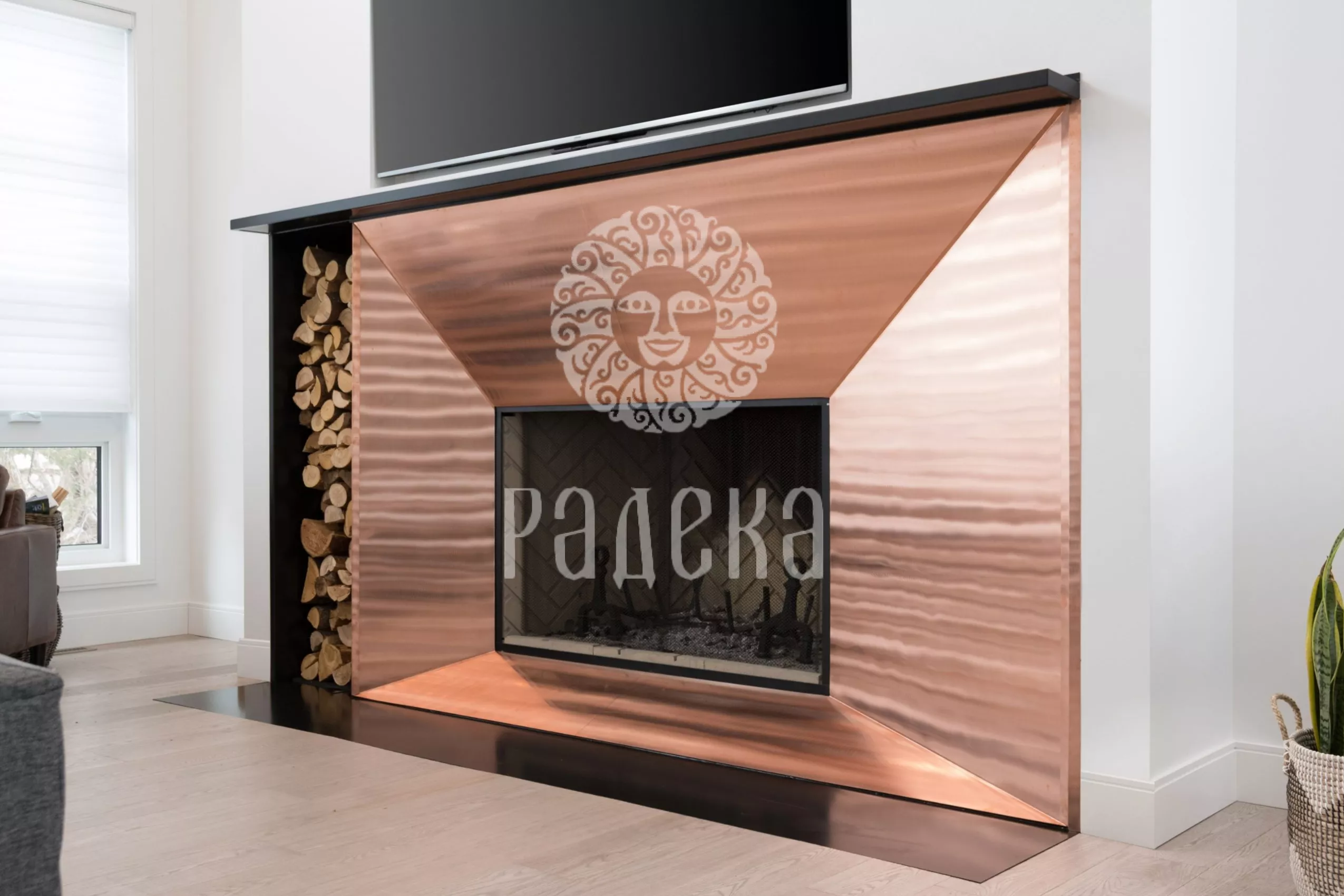
Decorating the fireplace with metal set of copper or brass is a sign of a good taste and a modern view at the interior design. Several decades ago copper and brass elements for finishing the fireplaces were available for the elite’s representatives only. Nowadays manufacturing of copper and brass sets and panels for finishing the fireplaces is performed on semi-automatic equipment that makes their price more affordable. Advantages of copper and brass sets for a fireplace • Minimal amount of seams between copper and brass elements; • A feeling of an all-cast metal surface; • The width of panels from copper or brass sheet can be up to 1000 mm; • Fast enough installation of a set or metal finishing of a fireplace; • Bracing of copper and brass panels is performed principally with a hidden method. Kinds of metals applied for finishing the fireplaces Metal sets of fireplaces can be made not only of copper and brass but also of other metals: Classic copper.
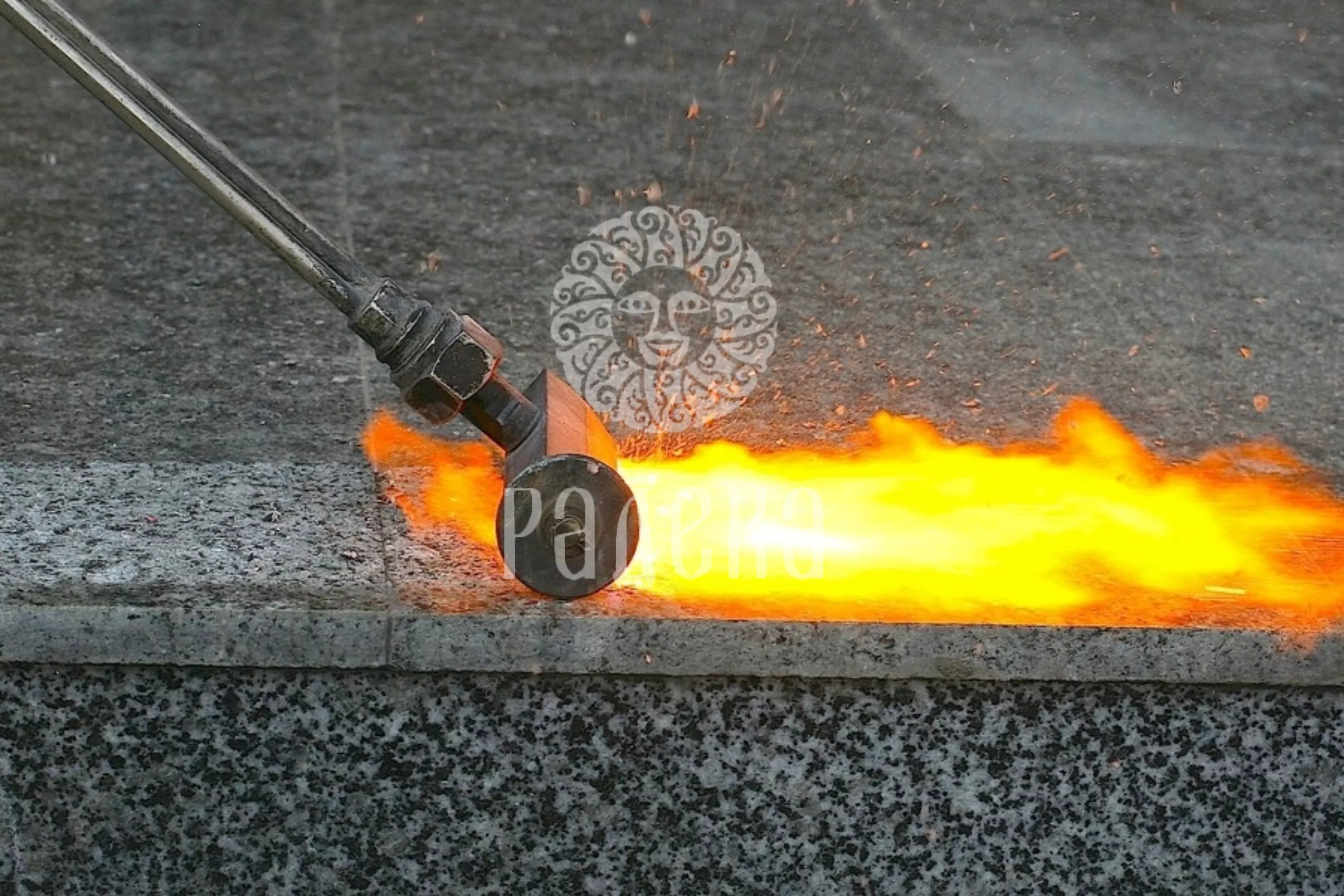
Natural stone heat treatment is a processing of stone surface by heating to the top layer melting temperature. This kind of processing reaches two significant advantages at once – improving the aesthetic qualities of the stone and increasing the level of its resistance to the negative external influences such as water, mechanical effects, chemicals etc. Heat treatment operating principle Natural stone heat treatment is used for removing polished layer and giving a roughness to the surface. Heat treatment is also called burning or fire processing of natural stone. This kind of processing is carried out by a high-temperature exposure (1,300˚C – 2,700˚C) to the surface of the stone. It is principally applied to granite.
Dolomite is a mountain mineral belonging to the carbonates species. Beautiful, rock-building, steadfast and fire resistant, practical and popular all over the world stone was named after the French mineralogist and chemist by surname Dolomieu who lived in the end of XVIII century. Russian architects loved this rock of stone and used it actively. Today dolomite is used almost in every finishing and constructing work. Colors of dolomite Standard colors of dolomite are white and gray however one can meet other shades: yellowish, reddish, brownish, pink and others. Dolomite can be transparent and semitransparent. Colors of dolomite are very harmoniously combined with all natural and artificial materials.
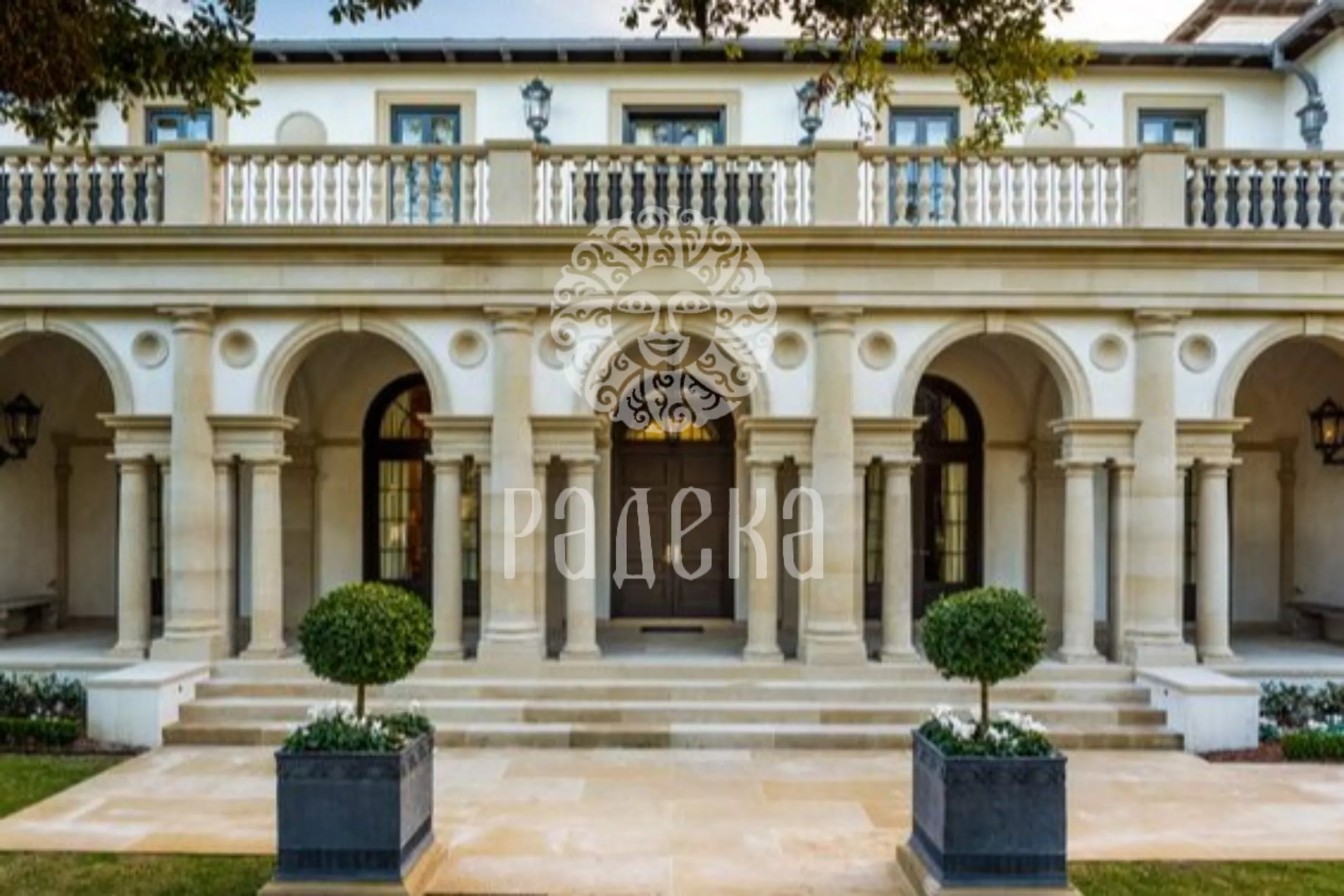
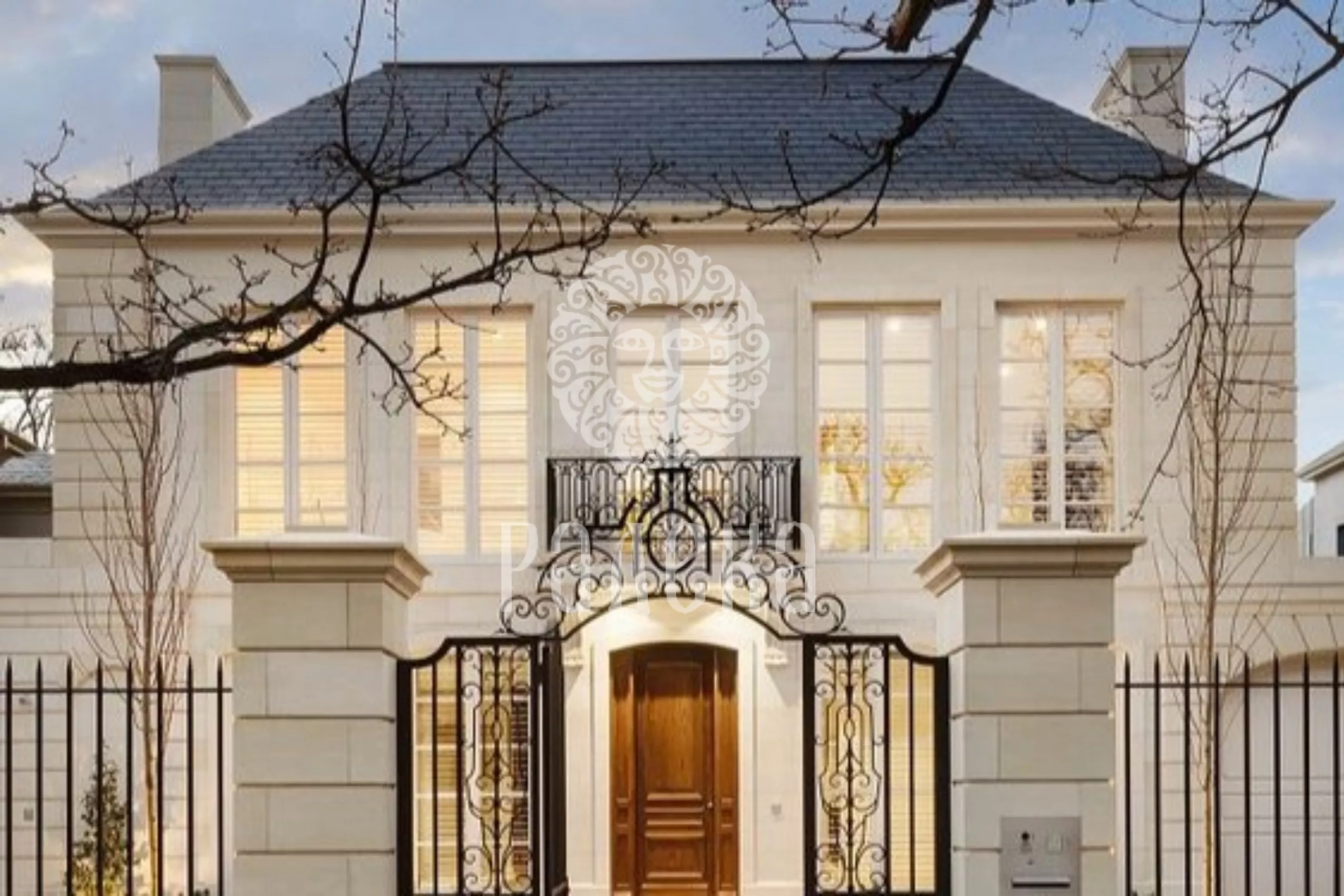
We provide services in manufacturing and installation of facade elements of natural stone. For manufacturing facade and interior decoration we use marble, granite, travertine, sandstone and dolomite. Our experienced masters perform a full range of turn-key facade works: design development, selection of necessary materials, manufacturing of stone elements and a professional installation. Decorating facades with natural stone experiences a rebirth. Different kinds of stone elements and profiles which can be manufactured on your drawings will give individuality to any facade and interior, modify a house and transform it to a masterpiece of modern architecture. Stone decorative elements for facing the facades and interiors are perfectly combined with stone finishing of marble, dolomite and limestone and also with facades of bricks, wood, plastering and other materials.
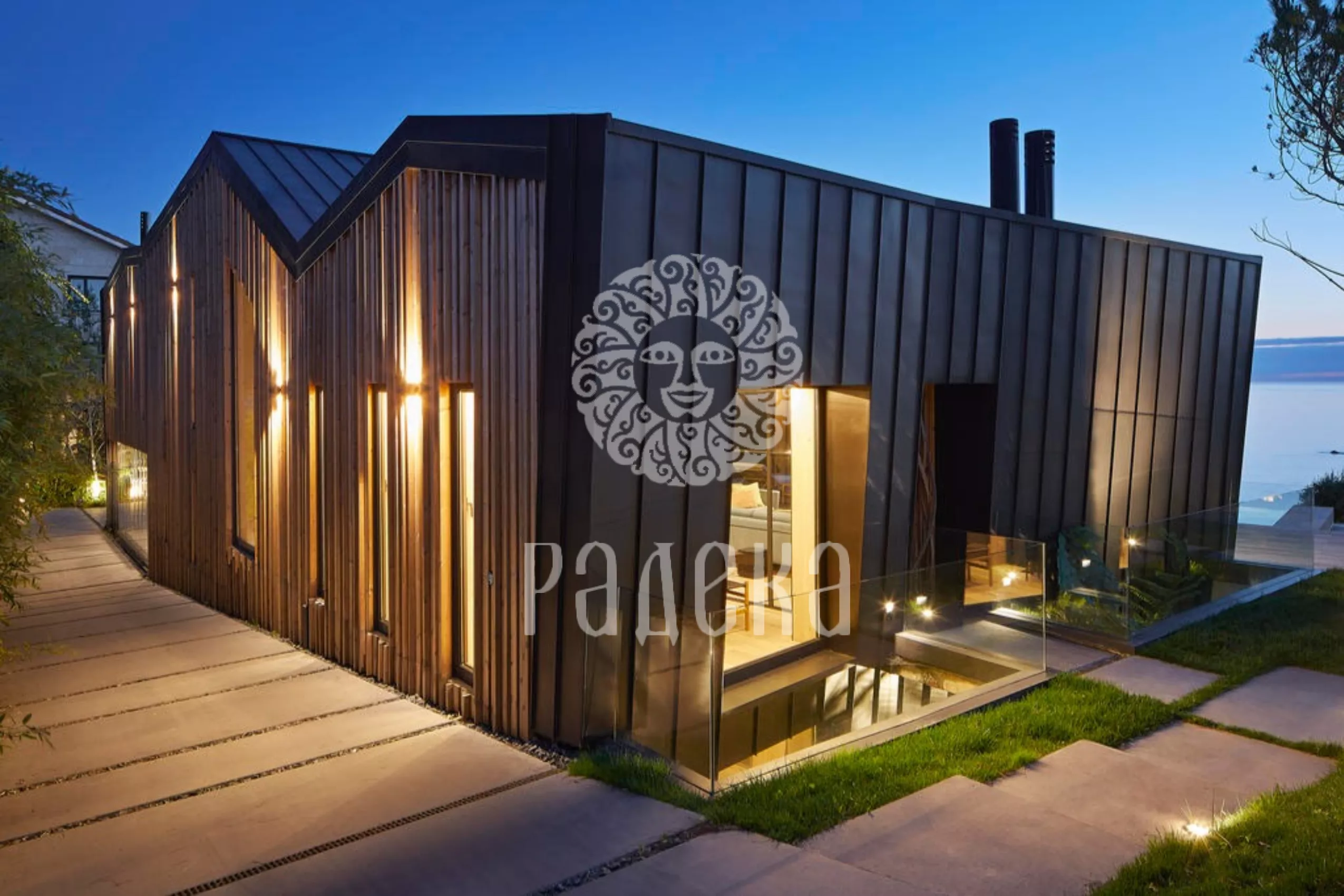
Profiling of seam panels means manufacturing roofing or facade panel-pictures from a certain material of specified size and required form on specialized professional rolling-mill equipment. Seam panels are used when covering and repairing standing seam roofs and facades of private houses and also buldings of commercial and religious purpose. Seam panels or panels-pictures are suitable for roofs and facades of the buildings of different architectural styles and directions. Advantages of seam panels • Lack of straight-through joints • Low weight – 4-10 kg/sq.m • Esthetic appearance; • Longevity; • Variety of forms and colors; • Possibility of installation in different directions; • Fire-resistance.
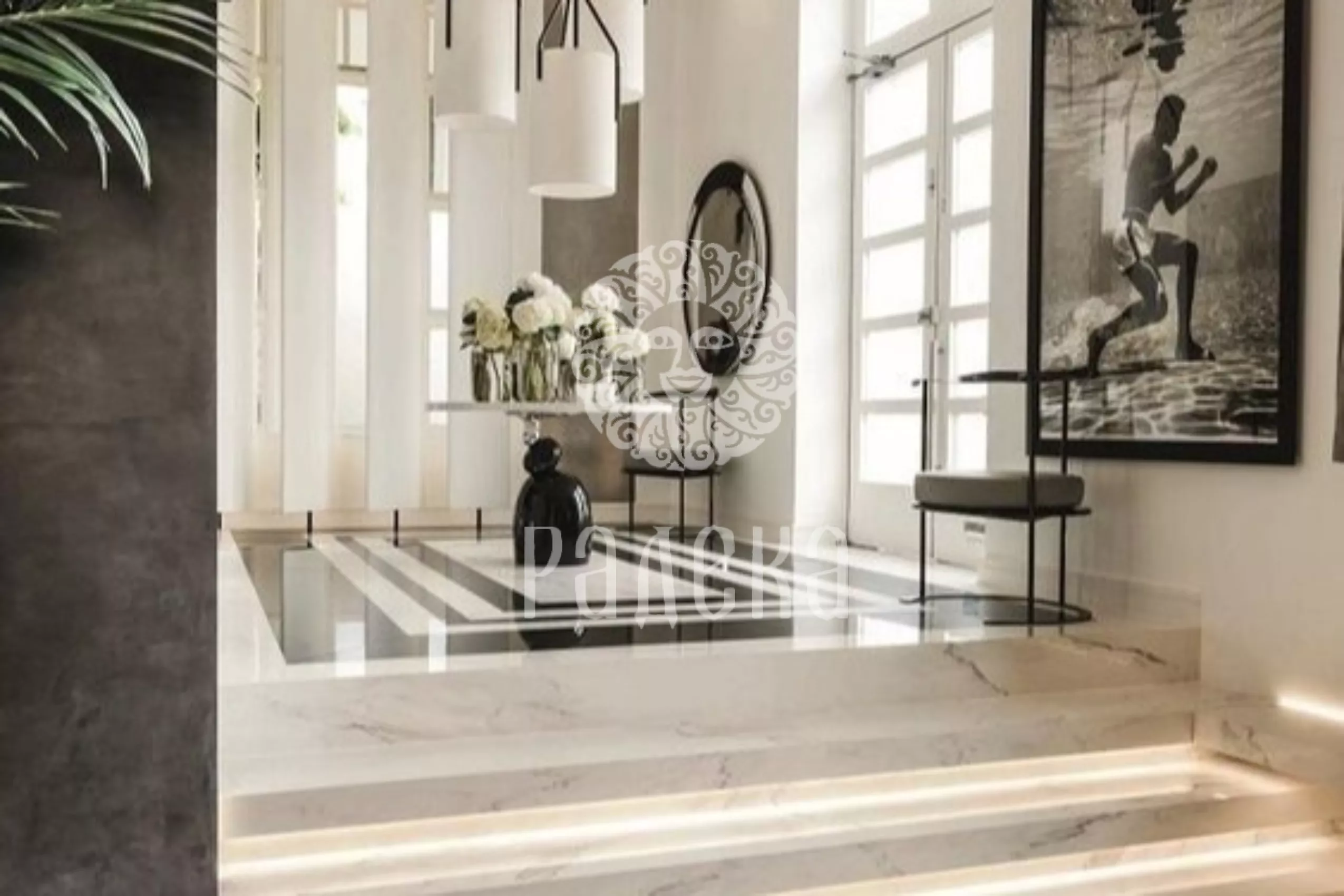
Floor of natural stone is always a luxurious element of finishing interior filling the space with history and aristocracy. Tiling and large-size panels or slabs of granite, dolomite, labradorite, marble, onyx and other minerals are successfully used in interior designs of flats and country houses. Stone floors are royally looking in spacious halls of offices, hotels and business centers as well as exhibition rooms and concert-halls. Using stone in finishing the floors emphasizes respectability and impeccable taste of the owner. Advantages of natural stone floors Along with the exceptional beauty and elegance natural stone differs in exquisite durability, abrasion resistance and longevity. It can be safely used for the floor cladding in the rooms with high walking transit. Stone floors even after long years of operation will save an attractive appearance. If a surface of the floor of natural stone grows dim over time from attritions and small scratches, it can always be restored – polished and returned a glossy shine.
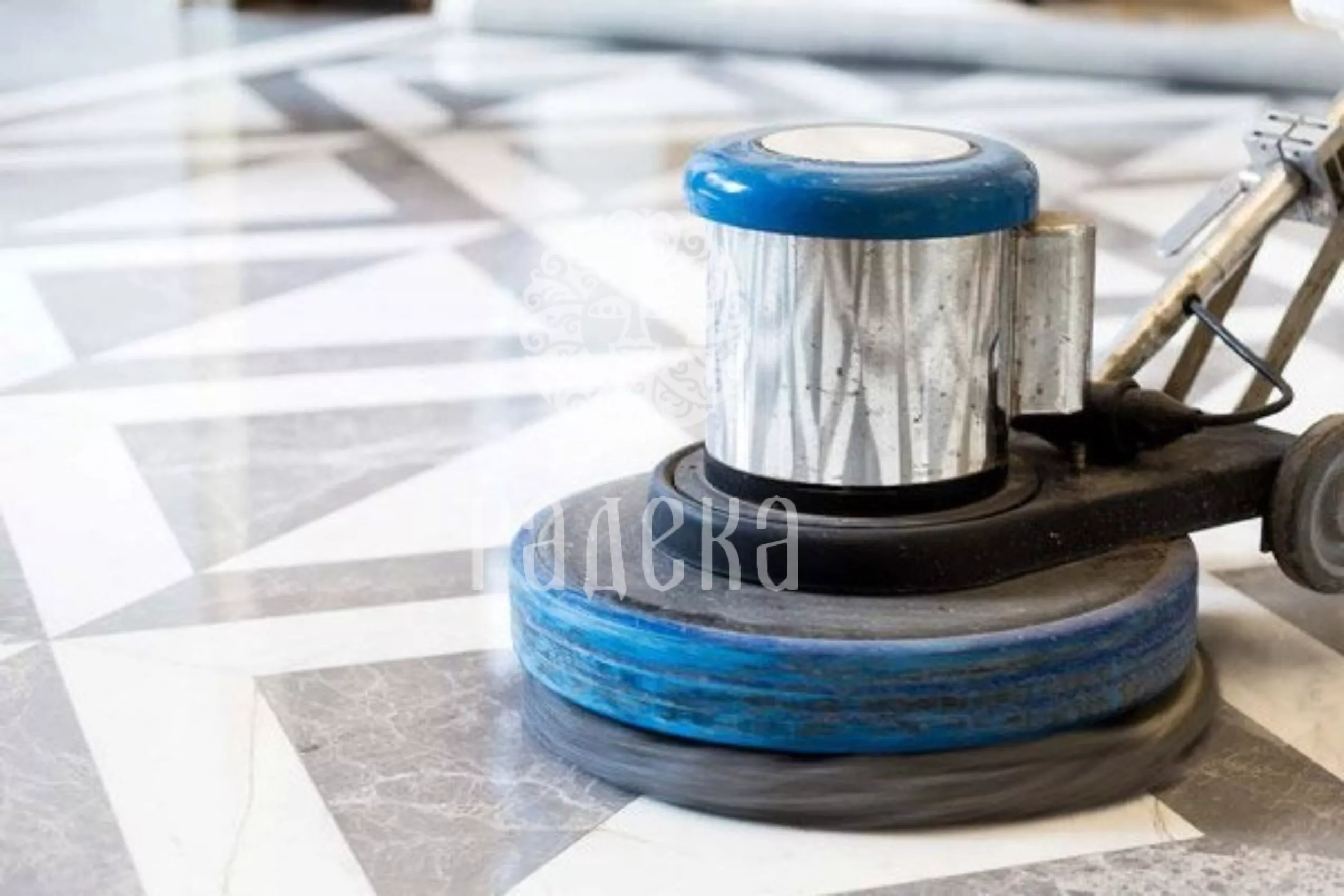
Grinding of marble gives a possibility to get a matte surface of this excellent stone with uniform roughness. The roughness of relief when grinding and restoration is no more than 0,5 mm. Grinding of marble is performed with special equipment – rotor and grinding machines which are equipped with diamond or abrasive tools. The main advantage of a grinded surface is that it’s not slippery. So this kind of processing is often used when making stairs and floors in wet rooms. Grinding as a finishing stage of processing is often performed on marble with no peculiar pattern or color in order not to lose that magic magnificence which can be achieved on more interesting stones after polishing.
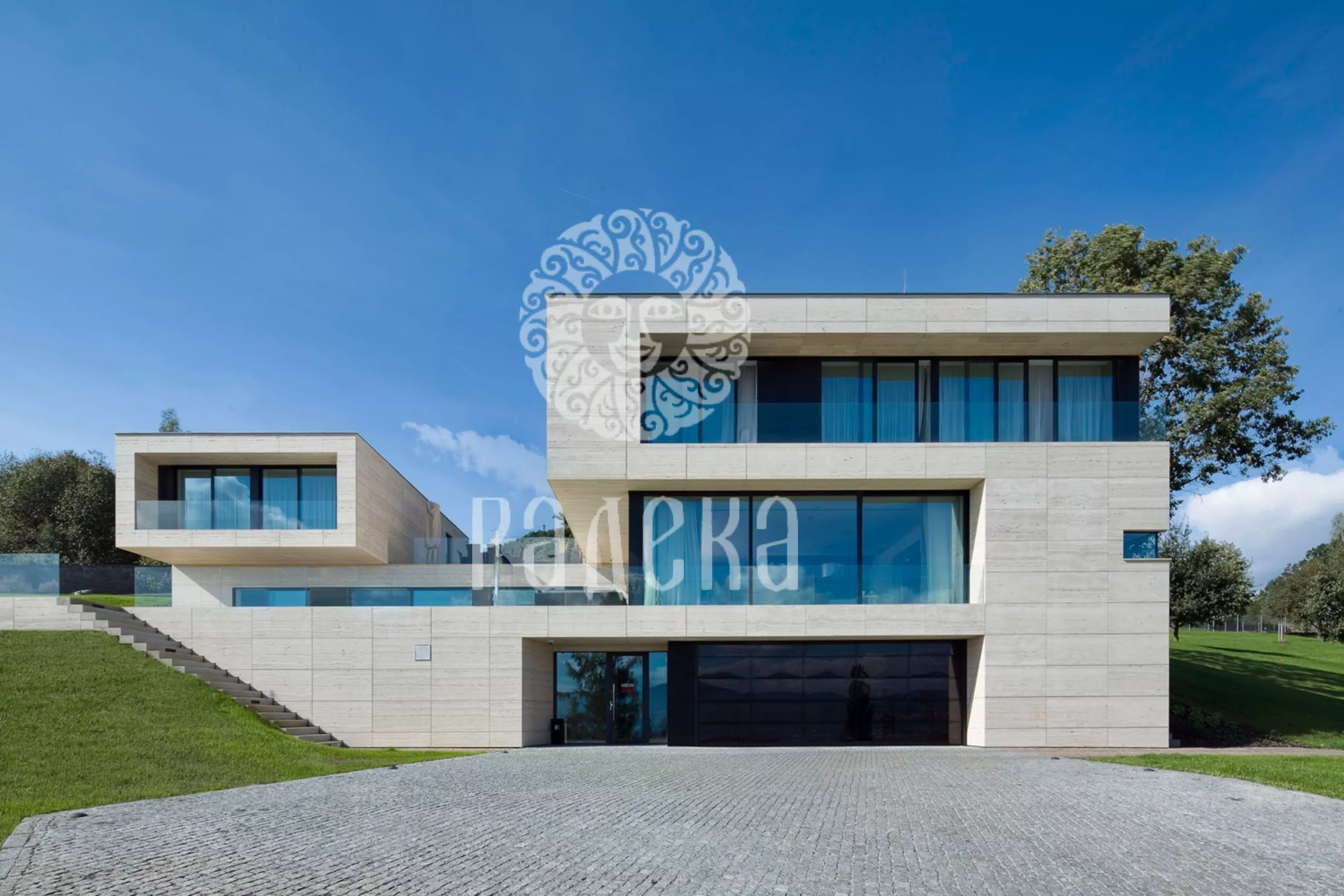
Natural travertine is a limestone rock which is a medium element between limestone and marble. Travertine is a popular natural stone which is widely used when decorating interiors and for exterior finishing works. A color scale of travertine is varied from light and almost white shades to deep brown tones. Mainly it consists of insoluble salt calcium bicarbonate which sediments from ground waters as a result of chemical reactions. Under high pressure and temperatures the sediment is packing down and turning into a stone. Physical qualities of travertine depend on the formation conditions and can be sufficiently different according to its deposit.
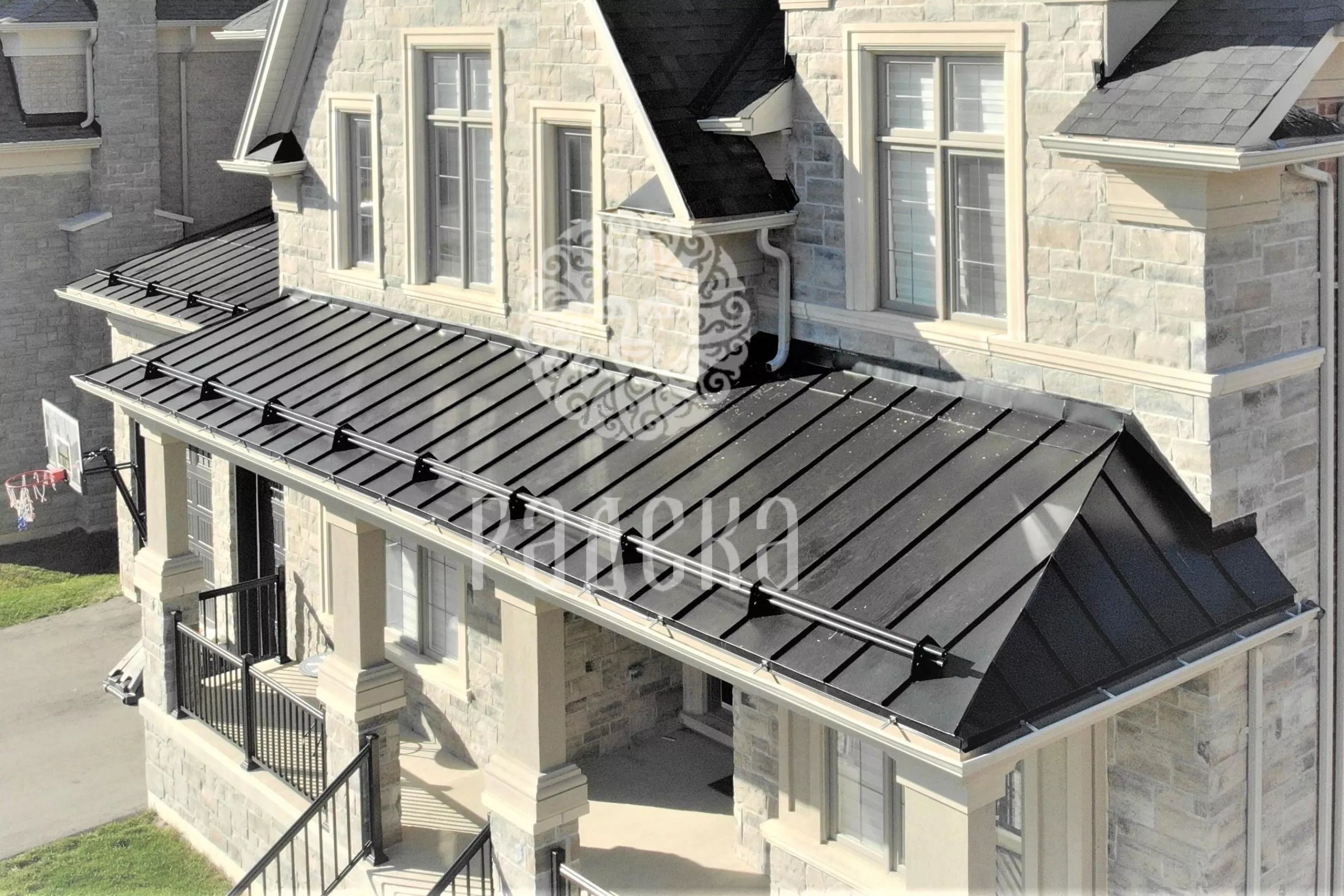
Because of climate conditions of most regions of our country where in winter there is a considerable amount of snow precipitation snow retention systems must be installed on every sloped roof. Snow falling in windless weather gently covers the roof and in the afternoon with the sunshine and rise of temperature it’s beginning to melt. In the evening there’s an ice crust because the temperature drops. Such a surface becomes rather favorable for fixation of the following snow layers. After the thickness of crusted snow on the roof reaches a certain amount there is a danger of its falling down. Having reached a certain critical point the snow often slides down the slope sharply like an avalanche. Sometimes it can capture a roofing material with it. Such situation can finish tragically for a human or an animal that was accidently found under the cornice of the roof or just near it at that moment.